

Designed for live: why audio monitoring is more than a compliance tool
Live production is unforgiving. Every decision is made against the clock: engineers are juggling multiple feeds, changing priorities, and the constant pressure of keeping broadcasts on air, with no opportunity for a second take. At the same time, broadcast workflows are more connected and complex than ever, balancing traditional infrastructure with IP, remote operations, and increasingly demanding production resource requirements.
Confidence in the tools that underpin decision-making has never been more valuable. The expectation from engineers is now not just that their systems work, but they do so consistently, intuitively, and without adding to their workload.
Audio monitoring sits at the heart of that confidence. When you can trust what you’re hearing, quickly access the sources needed and rely on accurate monitoring throughout a production, you are free to focus on delivering great content, rather than managing the tech stack. As workflows evolve, so too does the role of audio monitoring, from a compliance tool to an essential part of operational resilience, helping broadcasters make confident technical decisions that balance performance, efficiency and audience needs.
Designed for operational confidence
In broadcast and live events, the best technology is often the equipment no one talks about. Not because it’s unimportant, but because it performs its job so reliably that operators never have to think about it. Audio monitoring is effectively invisible when everything works, but if it doesn’t, it quickly becomes the centre of everyone’s attention.
That’s the thinking behind our approach to audio monitoring solutions. Rather than starting with a list of features, we focus with the realities of the control room or the OB truck: how engineers work, the pace of live production, and the need to make fast informed decisions and react under pressure. From there, every design choice is framed through feedback on how our technologies support the operator in all types of production environments and not distract from the task at hand.
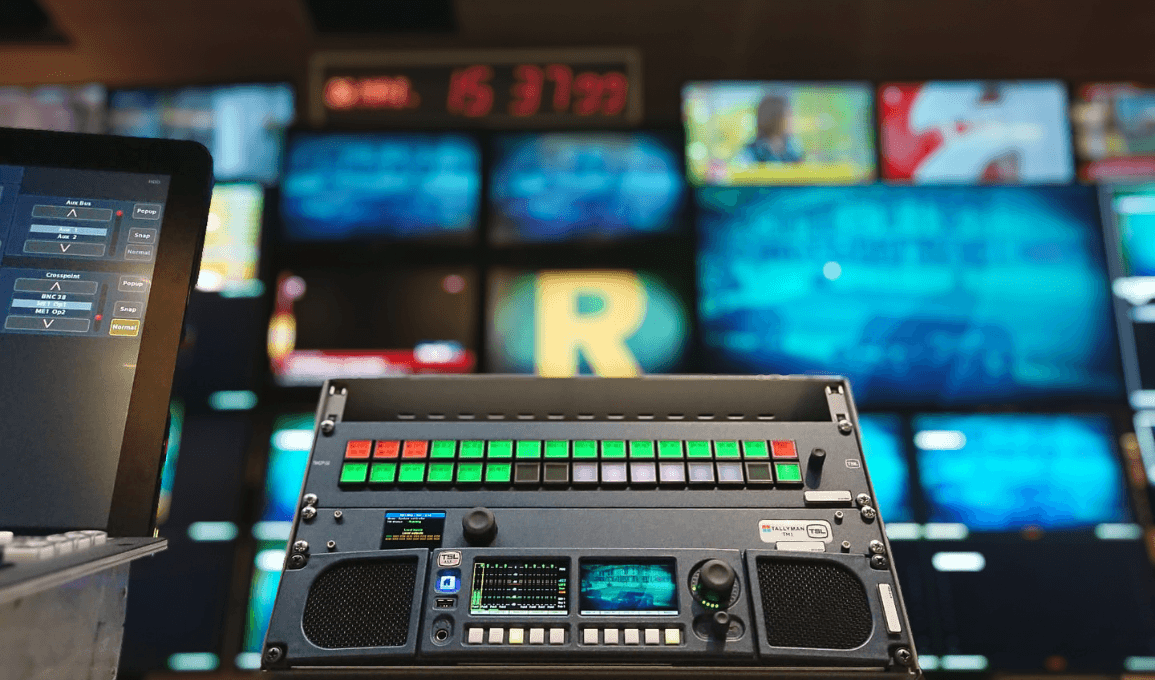
That translates into interfaces designed to be tactile and intuitive, so they can be operated by touch and feel with confidence, without looking away from the action on screen. Operators shouldn’t have to search through complex menu systems or rely on touchscreens that could cause errors through finger slippage or inaccuracies. Controls feel familiar and dependable, allowing engineers to keep their eyes on the production, not on the equipment.
The same principle applies to monitoring itself. Engineers consistently tell us that accurate metering across a variety of standards, alongside high-quality audio they can trust, are fundamental to making confident decisions. When monitoring output is inconsistent, with low quality audio or metering with inaccurate colour grading, uncertainty creeps into every workflow. When it’s dependable, teams can make decisions quickly and move on.
Beyond the spec sheet
When comparing audio monitoring solutions, it’s important to look beyond the hardware’s features. Two systems may appear similar on paper yet deliver very different experiences in day-to-day operations.
A useful starting point is: what will operators actually need access to from day one? Although a solid build quality is a key factor, consider what’s included as standard within the solution, especially when it comes to licencing and which capabilities or even I/O require additional activations. There’s nothing more frustrating than getting units into the control room, only to find that crucial control and monitoring functions incur further costs and upgrades.
Reliability is equally important. Live production environments place equipment under constant pressure, often operating around the clock across multiple locations. Teams may be working from complex central control rooms, from on-location OB setups, or even portable production flight kits. Build quality that delivers as promised and maintains mission critical uptime, backed up by responsive human technical support around the globe both contribute to operational resilience, particularly when production teams are working across different time zones.
And with any technology investment, lower power consumption, sustainability credentials, as well as total cost of ownership should be factored into the decision-making process from the outset. All these factors are key in TSL’s design.
Equally important is ensuring that technology investments reflect how audiences are actually consuming content. Next-generation audio formats continue to evolve, but it’s important to balance innovation with practical audience demand. Today’s viewers are watching via smaller mobile screens, where the benefits of advanced immersive audio formats may be limited. Rather than investing for technology’s sake, consider solutions that support the signal types and workflows delivering the greatest value for both the audience experience and the broadcaster’s return on investment. The smarter approach is finding where those standards deliver genuine operational and commercial benefit.
Quietly delivering certainty
Ultimately, the success of any monitoring solution isn’t measured by the number of features it offers, but by the confidence it gives operators using it. For international broadcast teams handling top-tier live productions, reliability is the keystone. That’s reflected in the feedback we hear from customers. As Paul Sykes, Chief Facility Engineer at Gravity Media explains: “We literally turned them on and never had to bother the TSL team since. We took them out of the box, and they’ve been working since day one.”
It’s exactly the kind of experience engineers want from equipment that’s expected to perform every day, throughout every production.
Live production will only continue to be more demanding, and engineers will need technology that reduces complexity rather than adding to it. Audio monitoring is rarely the most visible production tool, but remains one of the most essential, quietly working in the background to give production teams the confidence to deliver exceptional live content.
Looking to improve confidence in your live production workflows?
Discover how TSL’s audio monitoring solutions are designed to support reliable, intuitive operation in the most demanding broadcast environments.
Book a technical consultation with one of our audio monitoring specialists to discuss your requirements and explore the right solution for your workflow.
Have a Question?
Book a call with our technical team.
Related Case Studies
Our Solutions
Audio Monitoring
Listen, measure, control and troubleshoot with award-winning AMUs

Control Solutions
Flexible, modular vendor agnostic applications and interfaces for control, orchestration, automation, monitoring and disaster recovery

Power Management
Intelligent PDU solutions with remote control and monitoring
Our Commitment to Excellence
With an impressive history of industry awards and a dedication to pushing the boundaries of what's possible, TSL stands as a beacon of innovation. Our installed user base and repeat customers are testaments to our leadership in developing solutions that meet and exceed our clients' expectations worldwide.
Join us as we continue to listen to, enable, and empower professionals across the globe with superior technology that anticipates the future needs of their industry.

Testimonials
Trusted By